

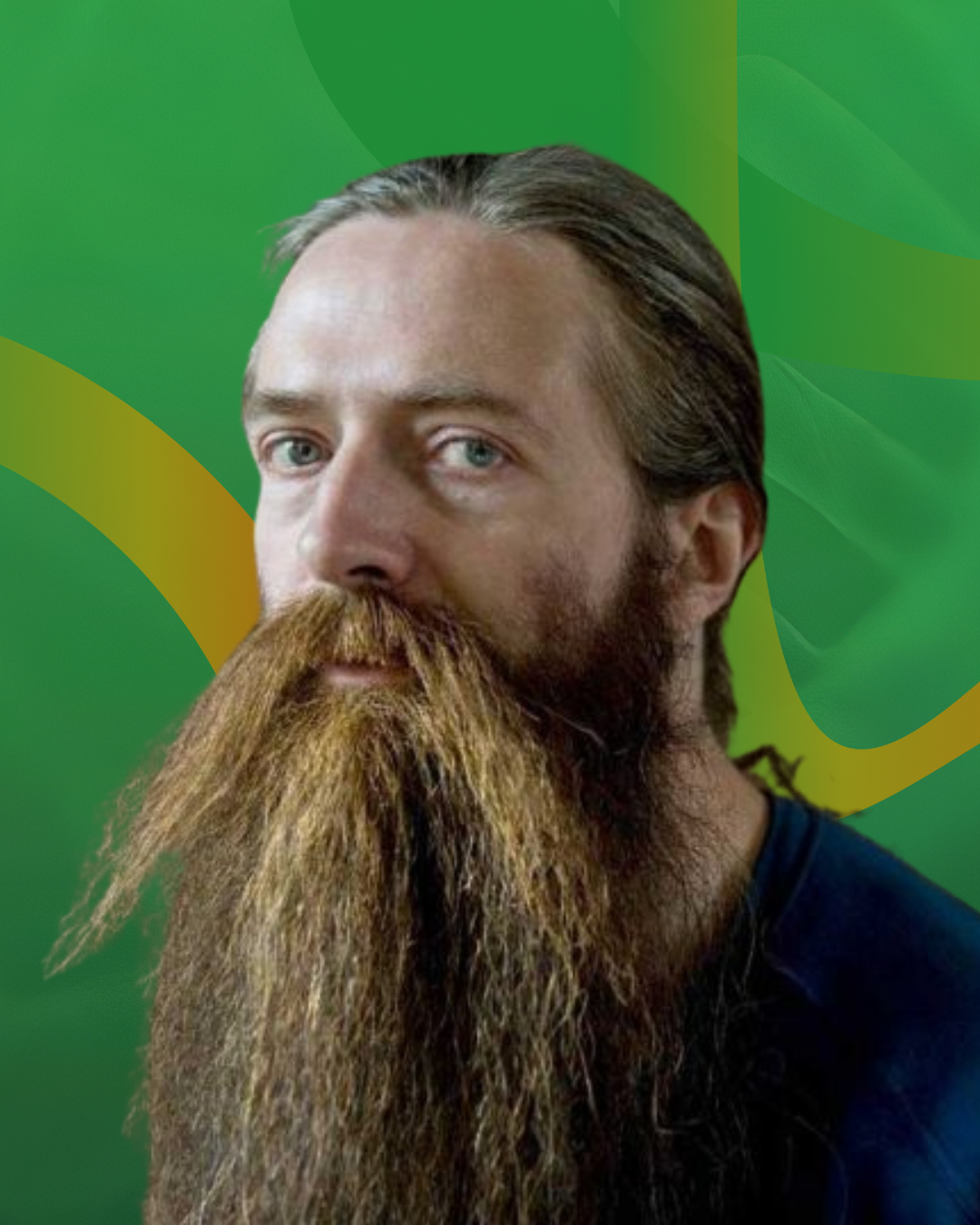
“Every day, millions die from age-related pathology. Accepting this as inevitable, when biological intervention becomes possible, is a moral abdication.”
THE ENGINEERING FRAMEWORK
The Man Who Dared to Reframe Death Itself
De Grey arrived at gerontology from an unexpected direction—computer science and artificial intelligence—which proved to be an intellectual advantage nobody anticipated. Trained as a software engineer rather than a biologist, he brought an outsider's clarity to a field populated by specialists who had grown accustomed to defeat.
His central insight was deceptively simple, yet revolutionary: aging is not a unified mystery but a collection of distinct, repairable cellular injuries. Where traditional gerontologists saw a cascade of irreducible biological complexity, de Grey saw what any engineer would recognize—a maintenance problem. A car accumulates wear. A building deteriorates. These things can be fixed if you understand what's breaking and apply targeted interventions systematically. Why not the human body?
Seven Bridges to Biological Immortality
De Grey's framework, known as SENS (Strategies for Engineered Negligible Senescence), divides aging into distinct categories of cellular damage, each with associated therapeutic approaches. Rather than searching for a silver bullet, he mapped the specific targets: accumulating mutations, senescent cells that poison nearby tissues, protein aggregates, mitochondrial decline, cross-linking in the extracellular matrix.
This taxonomy proved revolutionary not because it discovered new biology, but because it organized existing knowledge into an actionable blueprint. Researchers suddenly had a strategic roadmap. Philanthropists could fund discrete problems. Entrepreneurs could launch companies around specific solutions.
The result: validated interventions. Senolytic drugs—designed to eliminate aging cells—extended healthy lifespan in mice. Emerging therapies targeting protein aggregates advanced toward human trials. Start-ups like Clarity Therapeutics and Revel Pharmaceuticals translated SENS principles into candidate medicines.
The Concept That Changed the Timeline
De Grey introduced another idea that restructured how scientists think about life extension: Longevity Escape Velocity (LEV).
The concept is elegant. If therapeutic improvements accelerate faster than biological decline, then theoretically, each new generation of treatments could add more years than have elapsed since the previous intervention. Iterate this sufficiently, and you've escaped mortality's gravitational pull.
This isn't mysticism—it's a mathematical principle de Grey applies to biological engineering. And it reframes the entire endeavor: you don't need one miracle cure. You need a cascade of incrementally improving interventions, each sufficient to outpace time itself.

Dr. Aubrey de Grey presenting his revolutionary SENS framework at an international conference on biogerontology.
FROM THEORY TO REALITY
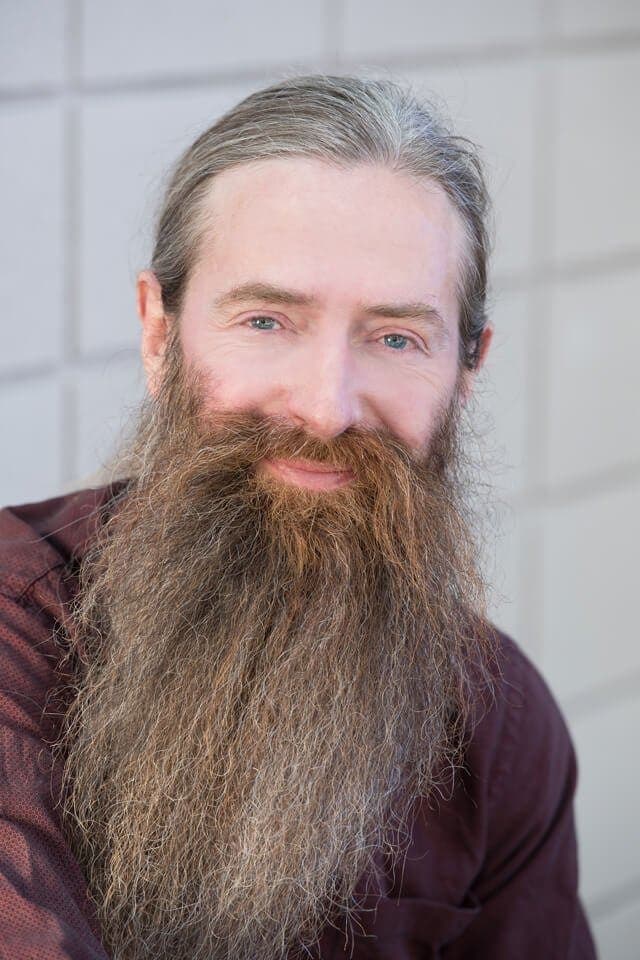
The visionary scientist whose engineering background brought fresh perspectives to the field of biogerontology.
Building Institutions for an Impossible Dream
De Grey understood that radical vision requires institutional infrastructure. He co-founded the Methuselah Foundation (2003) and the SENS Research Foundation (2009), which became centers of gravity for longevity research. These weren't vanity projects—they coordinated serious science, distributed millions in funding, and created the ecosystem that birthed an entire industry.
The institutions proved their mettle: SENS-adjacent research now dominates aging research funding. Universities, pharmaceutical giants, and venture capitalists orbit around frameworks de Grey articulated decades earlier. By any measure of scientific influence, his vision scaled far beyond what most academics accomplish in a lifetime.
The Skepticism He Overruled
Not everyone was convinced. In 2005, 28 prominent scientists published a critique arguing SENS extrapolated far beyond available evidence. De Grey's response was illuminating: he distinguished between academic caution—appropriate for validating hypotheses—and engineering ambition—required to build solutions.
History has vindicated the distinction. Many mechanisms de Grey proposed—particularly the toxicity of senescent cells and the efficacy of senolytics—have since been empirically confirmed by independent research teams. Others remain speculative. But the framework itself proved durable and generative, spawning legitimate lines of inquiry that continue to yield results.
ETHICS AND LEGACY
The Moral Argument Nobody Expected from a Scientist
Beneath the technical elegance lies a moral wager that de Grey articulates with quiet intensity.
He draws the parallel deliberately—we don't accept smallpox or polio as "natural" anymore. We conquered them. Why should aging be categorically different simply because we inherited a long history of resignation toward it?. This reframing transforms longevity research from a boutique scientific curiosity into something closer to a moral imperative.
The Legacy of Reframing an Ancient Problem
Aubrey de Grey's greatest contribution may not be any single discovery, but rather his ability to reorganize how an entire field thinks about its central problem. He took a question humanity had asked for millennia—can we defeat aging?—and translated it from the language of mythology into the language of engineering.
That translation opened doors. It attracted venture capital. It drew top talent. It legitimized what had been marginal. It created institutions. It spawned companies worth billions.
Whether all his predictions prove correct is ultimately secondary. What matters is that he changed the conversation. After de Grey, aging could no longer be treated as an insoluble mystery. It became, instead, an engineering challenge awaiting solutions—and in science and business alike, framing is often closer to destiny than most people realize.
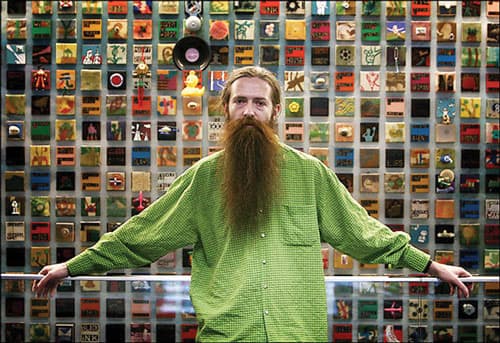
A scientist who bridges disciplines, connecting engineering principles with the profound questions of human existence.